
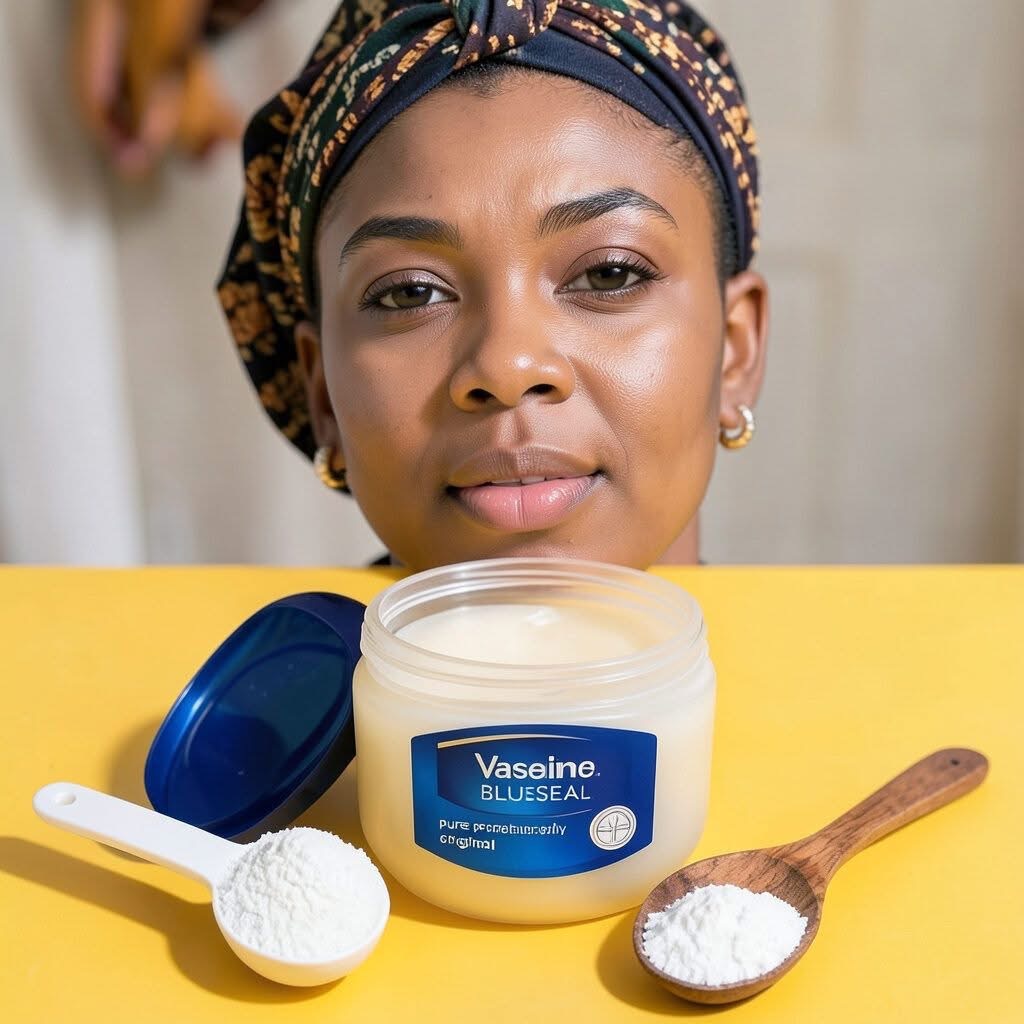
Understanding Skin Concerns and Home Remedies
Many people seek simple, accessible ways to improve their skin’s appearance, whether it’s addressing uneven skin tone, rough texture, or other common concerns. The internet is a treasure trove of home remedies, and among them, combinations like Vaseline Blue Seal petroleum jelly and cornstarch have gained attention. While these ingredients are staples in many households, understanding their properties and how they might (or might not) impact skin conditions is crucial.
Health
The image circulating online, depicting a ‘before and after’ comparison alongside Vaseline and cornstarch, suggests a remarkable transformation in skin texture and pigmentation. This has naturally led to questions about the efficacy and safety of using such a mixture. In this article, we’ll explore what Vaseline and cornstarch are, their traditional uses, and what to consider if you’re thinking about using them for skincare purposes.
What is Vaseline Blue Seal Petroleum Jelly?
Vaseline Blue Seal is a well-known brand of petroleum jelly. Petroleum jelly itself is a mixture of mineral oils and waxes, creating a semi-solid, jelly-like substance. Its primary function in skincare is as an occlusive agent. This means it forms a protective barrier on the skin’s surface, which helps to:
- Lock in moisture: By preventing water loss, it can keep skin hydrated, making it feel softer and smoother.
- Protect minor cuts and scrapes: The barrier can shield compromised skin from bacteria and environmental irritants.
- Aid in healing: By maintaining a moist environment, it can support the skin’s natural healing process for minor irritations.
Vaseline is generally considered safe for most skin types, including sensitive skin, as it is non-comedogenic (meaning it’s unlikely to clog pores) and hypoallergenic.
What is Cornstarch?
Cornstarch is a fine, white powder derived from the endosperm of corn kernels. Primarily used in cooking as a thickening agent, it also has some traditional applications in home remedies, particularly for skin. Its key properties for skin include:
- Absorbent: Cornstarch is excellent at absorbing moisture, which is why it’s sometimes used in homemade dusting powders or to alleviate chafing.
- Soothing: Due to its fine texture and moisture-absorbing qualities, it can have a mild soothing effect on irritated skin.
The Combination of Vaseline and Cornstarch for Skin
When combined, as suggested by the viral image, the idea is often that cornstarch might absorb excess oil or moisture, while Vaseline provides a moisturizing and protective barrier. The ‘before and after’ image implies that this combination could lead to significant improvements in skin texture and potentially reduce the appearance of dark spots or uneven pigmentation.
However, it’s important to approach such claims with a critical eye. While Vaseline is a proven moisturizer and skin protectant, and cornstarch can absorb moisture, there is limited scientific evidence to support the claim that this specific mixture effectively removes skin tags, significantly alters pigmentation, or dramatically changes overall skin texture beyond basic moisturization.
Why the Discrepancy?
The visual impact of ‘before and after’ photos can be very compelling. However, changes in lighting, makeup, filters, or even the natural progression of certain skin conditions can influence how skin appears over time. While consistent moisturization with Vaseline can certainly improve skin hydration and give a healthier glow, attributing drastic changes in pigmentation or the removal of skin tags solely to this mixture lacks scientific backing.
Important Considerations and Safety Notes
Before trying any new skin remedy, especially one found online, consider the following:
- Skin Tags: Skin tags are benign growths that commonly appear on the skin. While some home remedies are marketed for their removal, most dermatologists advise against self-treating skin tags. Improper removal can lead to bleeding, infection, scarring, or incomplete removal. Professional removal options are available and include cryotherapy, excision, or cauterization.
- Pigmentation Issues: Conditions like hyperpigmentation (dark spots) can be caused by various factors, including sun exposure, inflammation, and hormonal changes. While moisturizing can improve overall skin health, it’s unlikely to be a primary treatment for significant pigmentation concerns. A dermatologist can offer effective treatments such as topical retinoids, vitamin C serums, chemical peels, or laser therapy.
- Allergic Reactions: Although both Vaseline and cornstarch are generally well-tolerated, some individuals may experience irritation or allergic reactions. Always perform a patch test on a small, inconspicuous area of your skin before applying any new product or mixture to a larger area.
- Hygiene: Ensure any ingredients and application tools are clean to prevent introducing bacteria to your skin.
- Professional Advice: For persistent skin concerns, especially skin tags, significant pigmentation changes, or any unusual skin growths, consulting a qualified healthcare professional or dermatologist is always the best course of action. They can provide an accurate diagnosis and recommend appropriate, evidence-based treatments.
General Skincare Tips for Healthy Skin
Instead of relying on unverified home remedies for complex skin issues, focus on a consistent, science-backed skincare routine:
Health
- Cleanse Daily: Use a gentle cleanser to remove dirt, oil, and makeup.
- Moisturize Regularly: Keep your skin hydrated with a moisturizer suitable for your skin type. Vaseline can be an excellent occlusive moisturizer for very dry skin.
- Sun Protection: Daily use of broad-spectrum sunscreen with an SPF of 30 or higher is crucial for preventing sun damage, premature aging, and pigmentation issues.
- Healthy Lifestyle: A balanced diet, adequate sleep, and stress management all contribute to overall skin health.
- Stay Hydrated: Drinking enough water supports skin hydration from within.
Frequently Asked Questions
Can Vaseline and cornstarch remove skin tags?
There is no scientific evidence or dermatological recommendation to support the use of Vaseline and cornstarch for removing skin tags. Self-treatment of skin tags can lead to complications. Consult a dermatologist for safe removal options.
Is this mixture safe for all skin types?
While both ingredients are generally considered safe, individual reactions can vary. Always do a patch test first. For specific skin conditions or concerns, professional medical advice is recommended.
Can Vaseline and cornstarch lighten dark spots?
Vaseline primarily acts as an occlusive moisturizer, and cornstarch absorbs moisture. Neither ingredient is known to effectively lighten dark spots or treat hyperpigmentation. For pigmentation concerns, consult a dermatologist who can recommend targeted treatments.
What are the actual benefits of Vaseline for skin?
Vaseline is excellent for moisturizing dry skin, creating a protective barrier to aid in the healing of minor cuts and scrapes, and preventing chafing. It helps seal in existing moisture.
Final Thoughts
While the combination of Vaseline Blue Seal and cornstarch might seem like an appealing home remedy for various skin concerns, it’s essential to manage expectations. For general skin hydration and minor protection, Vaseline is a tried-and-true product. Cornstarch can help absorb moisture. However, for significant skin texture changes, pigmentation issues, or the removal of skin tags, relying on these ingredients alone is not supported by scientific evidence and may delay professional treatment that could be more effective and safer. Always prioritize professional medical advice for persistent or concerning skin conditions to ensure proper diagnosis and care.