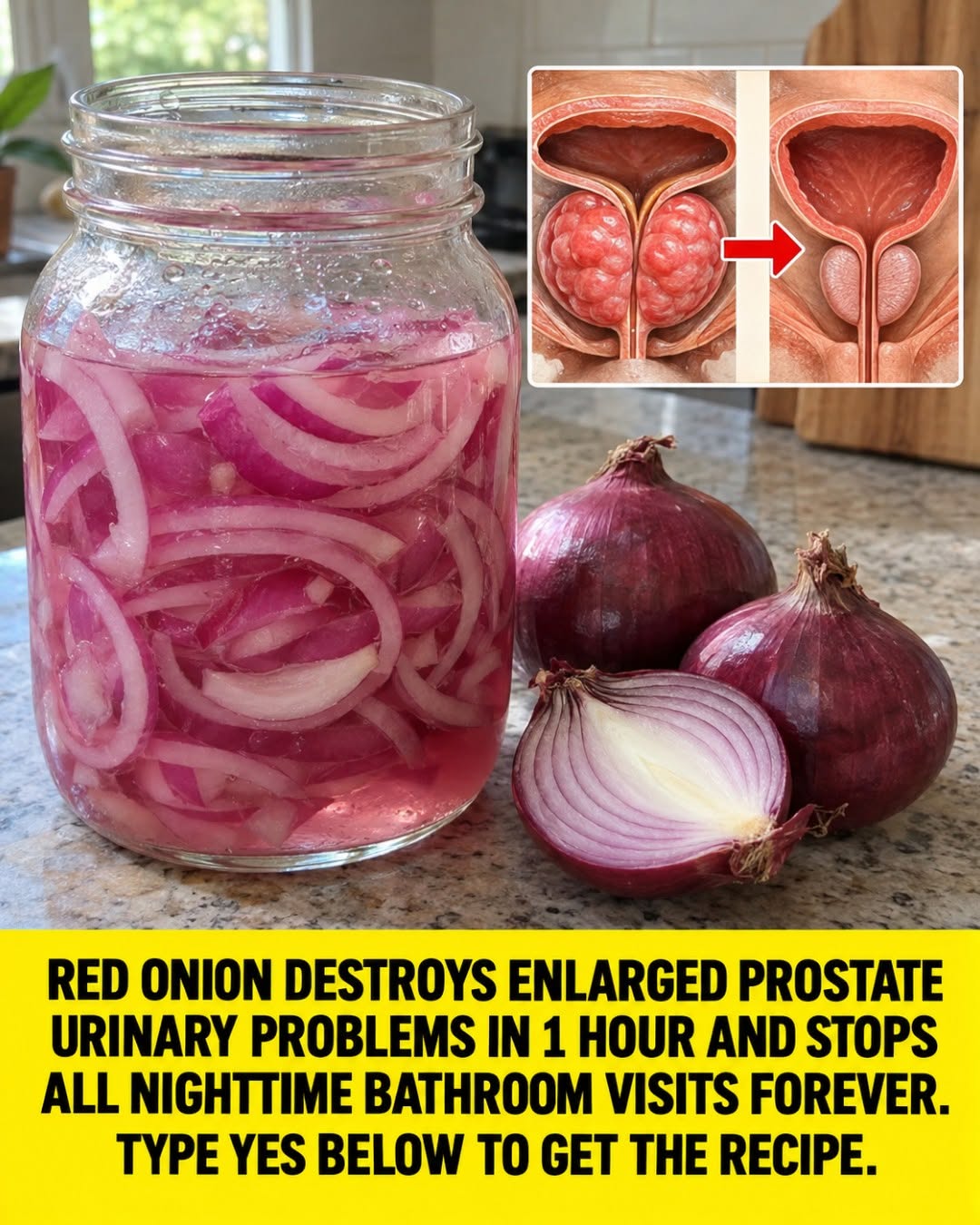
Nighttime bathroom trips can turn a full night’s sleep into a frustrating cycle of waking, straining, and feeling like the bladder never fully empties. For many men over 50, an enlarged prostate is the hidden reason the stream becomes weaker, slower, and more interrupted after dark. That constant urge can leave you tired, anxious, and annoyed before the day even begins. The good news is that a simple evening routine may help ease the pressure and support more comfortable urination at night. And there is one unexpected kitchen ingredient that makes this routine more interesting than most men expect—keep reading, because the timing matters just as much as the drink itself.

Why an Enlarged Prostate Often Feels Worse at Night
The prostate sits just below the bladder and surrounds part of the urethra, the tube that carries urine out of the body. When the prostate enlarges, it can narrow that passage and make it harder for urine to flow freely. That is why many men notice a weaker stream, stopping and starting, or the feeling that they still need to go even after they have just urinated.
But that is not the whole story. Nighttime symptoms often feel worse because of fluid timing, caffeine, alcohol, salt intake, and bladder sensitivity. Research and clinical guidelines on lower urinary tract symptoms show that these everyday factors can make nighttime urination more frequent, even when prostate size itself has not changed much.
The frustrating part is that the body is trying to rest while the bladder keeps sending signals that something is wrong. That broken sleep can lead to fatigue, irritability, and more worry about the problem the next night.
What Research Says About Supporting Urinary Comfort
Major urology guidelines commonly recommend lifestyle changes before or alongside medication for mild to moderate urinary symptoms. These include reducing bladder irritants, limiting large drinks in the evening, and paying attention to constipation, weight, and activity level. In other words, small daily habits can make a real difference in how the bladder behaves at night.
There is also growing interest in plant compounds that may help reduce inflammation. One of the best-known is quercetin, a natural flavonoid found in red onions and some other fruits and vegetables. Studies suggest quercetin may support comfort in the prostate and urinary tract by helping calm inflammatory activity, although it is not a cure and does not shrink the prostate on its own.
Here is the important part: the drink itself is only one piece of the strategy. The real benefit comes from combining a modest evening infusion with smarter fluid timing and a few practical habits that reduce nighttime strain.

The Unexpected Ingredient in This Evening Drink
The main ingredient is simple red onion. It is one of the most accessible food sources of quercetin, and it also contains other antioxidant compounds that research has linked to general anti-inflammatory support. That makes it a surprising but practical option for men looking for a gentle evening habit.
Unlike coffee, tea, or sugary drinks, this infusion does not add caffeine or a large sugar load. That matters because caffeine can irritate the bladder, and large late-night drinks can increase urine production while you are trying to sleep. The goal here is not to flood the body with liquid. The goal is to use a small, calm, earlier-evening drink that fits into a better routine.
And that is where this approach becomes interesting. The benefit is not just the onion. It is the combination of a modest serving, a reasonable time of day, and consistency over time.

How to Make the Simple Evening Onion Drink
Use this method for one small serving:
1. Slice half of a small red onion into thin pieces.
2. Place the slices into 1 to 1.5 cups of drinking water.
3. Let it sit for 20 to 30 minutes at room temperature, or use slightly warm water if you prefer.
4. Strain out the onion pieces before drinking.
5. Add a small amount of honey only if you want a milder taste.
6. Drink it earlier in the evening, not right before bed.
This is a small serving on purpose. You do not want to create more nighttime bathroom trips by drinking too much liquid too late. If you are sensitive, start with half a glass for a few evenings and see how your body responds.

Why Timing Matters More Than Most People Realize
Here is the truth: even a helpful drink can backfire if you take it at the wrong time. Large amounts of fluid close to bedtime can increase nighttime urine production and lead to more bathroom trips. That is why the timing of this drink is just as important as the ingredients.
Try to finish most of your fluids two to three hours before sleep. If you are thirsty later, take only small sips. This simple change can reduce pressure on the bladder and make the night feel calmer.
Sometimes the best “remedy” is not more liquid, but better timing.
Common Evening Habits That Make Weak Flow Worse
Many men unknowingly make nighttime symptoms worse with a few routine habits. The good news is that these are often easy to change.
Here are some of the biggest triggers:
- Drinking a large glass of water, tea, or juice right before bed
- Having coffee or alcohol in the evening
- Eating a very salty dinner, which can affect fluid balance
- Ignoring constipation, which can press on the bladder
- Going to bed without trying to empty the bladder fully
But that is not all. Poor sleep, excess weight, and some medications can also make nighttime urination worse. If symptoms are changing quickly, it is worth looking at the whole picture instead of blaming the prostate alone.
Simple Steps You Can Start Tonight
If you want to make this routine more effective, start with the basics. These steps are practical, low-cost, and easy to test right away.
1. Prepare the red onion infusion with dinner or earlier in the evening.
2. Stop large drinks about two to three hours before bedtime.
3. Avoid caffeine after early afternoon and skip alcohol at night if possible.
4. Try double voiding: urinate, wait 30 to 60 seconds, then try again before bed.
5. If your legs swell during the day, elevate them for 20 to 30 minutes in the evening so fluid can shift earlier.
6. Take a short walk after dinner to support digestion and circulation.
7. Track how many times you wake up to urinate for one week so you can notice patterns.
These steps may sound small, but research shows that lifestyle changes can significantly affect lower urinary tract symptoms. The key is consistency, not perfection.
Extra Habits That Can Improve Nighttime Comfort
There are a few more habits that may help support better urinary comfort over time. They do not replace medical care, but they can make your evenings easier.
| Habit | Why It Helps | Simple Action |
|---|---|---|
| Healthy weight | Less abdominal pressure can ease urinary symptoms | Start with a daily walk and smaller portions at dinner |
| Regular movement | Activity supports circulation and overall bladder health | Walk 20 to 30 minutes most days |
| Better bowel habits | Constipation can press on the bladder and worsen urgency | Add fiber earlier in the day and stay hydrated before evening |
| Medication review | Some medicines can increase urination at night | Ask your clinician whether timing or dosing could be adjusted |
The combination of these habits can reduce the “pressure” effect that makes nighttime symptoms feel so intense. And when the bladder is calmer, sleep often improves too.
What Results to Expect
Most men do not notice a dramatic change overnight. The first improvement is often fewer bathroom trips or less urgency during the night. A stronger stream, if it happens, usually improves more gradually as habits become more consistent.
Some men notice a difference within a few days of better fluid timing. Others need one to two weeks before the routine feels meaningful. Results vary depending on the cause of the symptoms, overall health, and whether the prostate is mildly or more significantly enlarged.
It is important to be realistic. This drink may support comfort, but it is not a treatment for every prostate problem. If symptoms are severe, persistent, or getting worse, medical evaluation is the right next step.
When You Should See a Doctor
Do not rely on home routines alone if you have warning signs such as blood in the urine, pain, fever, sudden inability to urinate, or rapidly worsening symptoms. These can point to a more serious issue that needs prompt medical attention.
You should also speak with a healthcare professional if nighttime urination is disrupting your life, if your stream is getting weaker over time, or if you are unsure whether your symptoms are caused by the prostate, a bladder issue, diabetes, or something else.
Frequently Asked Questions
What evening drink may help with weak urinary flow from an enlarged prostate?
A small red onion infusion may be a helpful supportive drink because it contains quercetin and encourages better fluid timing when used earlier in the evening.
Can this onion drink shrink the prostate?
No. Current evidence does not show that onion water shrinks prostate tissue. It is best thought of as a supportive habit, not a cure.
How soon might nighttime bathroom trips improve?
Some men notice a difference within a few evenings after changing fluid timing, while others need one to two weeks of consistent habits. Results depend on the underlying cause and overall routine.
Final Takeaway
A simple red onion evening drink may help support more comfortable urinary flow at night by combining plant compounds with better fluid timing. The real value comes from using it as part of a broader routine that reduces bladder irritation, limits late-night fluids, and supports healthier sleep. That means the drink is helpful, but the habit around it is what makes the difference.
If you want the best chance of calmer nights, keep the serving small, take it earlier in the evening, and pair it with the practical steps above. Small changes can add up faster than many men expect.
Disclaimer: This article is for general informational purposes only and is not a substitute for professional medical advice, diagnosis, or treatment. Always talk with a qualified healthcare provider before trying new dietary habits, especially if you have urinary symptoms, kidney disease, diabetes, or take medications.