
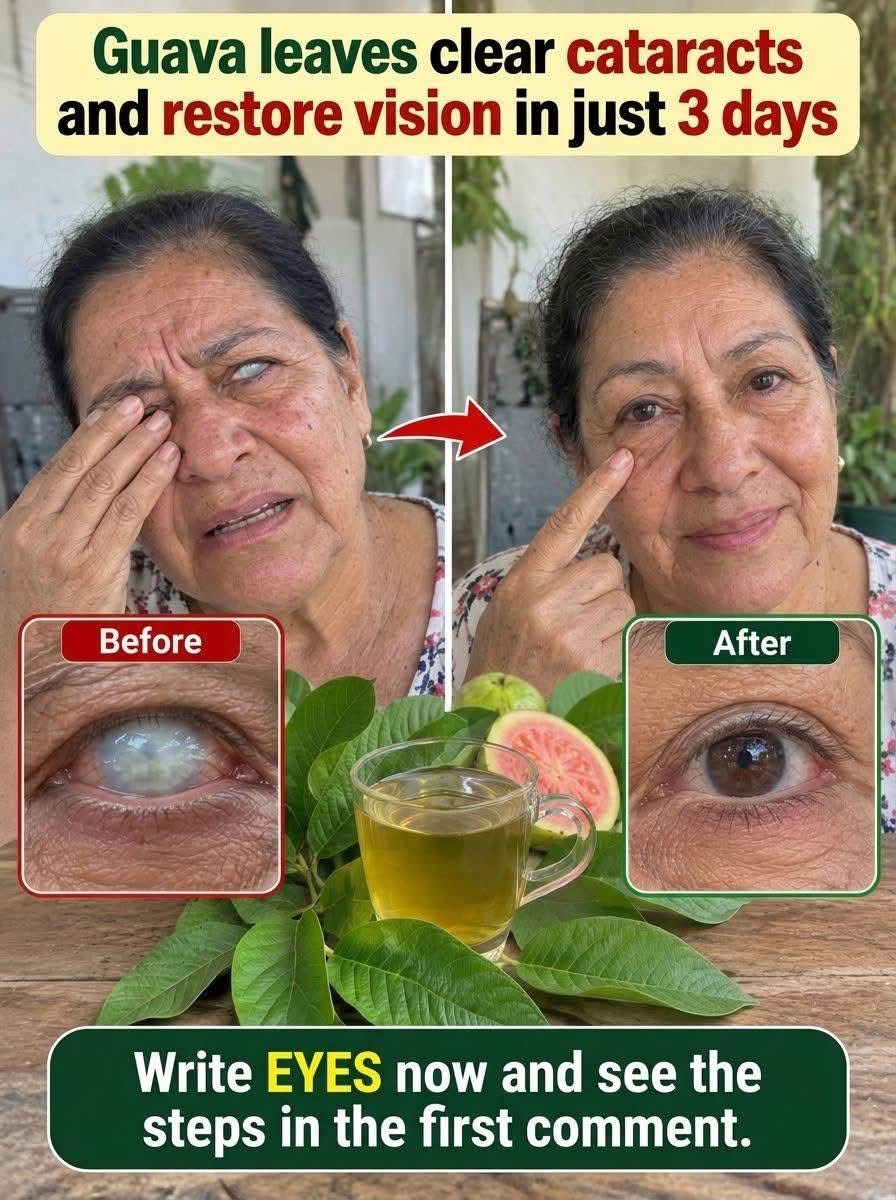
Guava leaves have been used traditionally to prepare herbal drinks because they contain naturally occurring plant compounds and antioxidants. A warm cup of guava-leaf tea can be a pleasant addition to a healthy lifestyle, especially for people who enjoy natural ingredients. However, blurred vision and persistent eye redness should never be assumed to be caused by something that can be corrected with a home remedy alone.
If you want to prepare guava-leaf tea, begin with 5 to 7 fresh guava leaves. Choose clean, healthy leaves and wash them carefully under running water to remove dust and other contaminants. Place about two cups of water in a saucepan and bring it to a gentle boil. Add the washed leaves and simmer for approximately 5 to 10 minutes. Turn off the heat and allow the preparation to rest for another few minutes before straining it
Pour the resulting tea into a clean cup and allow it to cool to a comfortable temperature. A small amount of honey or lemon can be added for flavor if desired. This drink can be enjoyed as a traditional herbal beverage, but it should not be considered a replacement for professional eye care, prescription treatment, or an eye examination.
It is particularly important not to place guava-leaf water, crushed leaves, or homemade preparations directly into the eyes. The eyes are extremely sensitive, and non-sterile preparations can introduce bacteria or other contaminants that may cause irritation or infection. A natural ingredient is not automatically safe to use as an eye drop.
Blurred vision can have many possible causes. It may be related to an incorrect prescription, dry eyes, eye strain, cataracts, glaucoma, retinal problems, diabetes-related eye disease, inflammation, or an eye infection. Because these conditions require different treatments, determining the underlying cause is much more important than relying on a single home remedy
Cataracts, for example, involve clouding of the eye’s natural lens. They can gradually make vision appear hazy, faded, or blurry and may make nighttime driving more difficult. When cataracts significantly interfere with everyday activities, an ophthalmologist can perform a comprehensive eye examination and discuss appropriate treatment options, including cataract surgery when necessary.
People experiencing persistent red eyes should also pay attention to accompanying symptoms. Mild redness can sometimes occur because of dryness, allergies, irritation, or lack of sleep, but redness accompanied by pain, sudden vision changes, severe sensitivity to light, discharge, injury, or a sudden loss of vision requires prompt medical evaluation.
A healthy diet can also support overall eye health. Foods containing vitamin C, vitamin E, carotenoids, omega-3 fatty acids, and other nutrients can form part of a balanced eating pattern. Fruits, vegetables, leafy greens, fish, nuts, and other nutrient-rich foods can contribute to general wellness, while regular medical and eye examinations can help detect problems before they become more serious.
For anyone concerned about vision, investing in a professional eye exam is far more reliable than attempting to diagnose the problem at home. An eye-care professional can check visual acuity, eye pressure, the lens, retina, and other structures of the eye and determine whether glasses, medication, monitoring, or another treatment is appropriate.
Guava-leaf tea can therefore be enjoyed as a simple traditional drink, but it should not be presented as a guaranteed treatment that removes cataracts or restores eyesight in three days. When it comes to vision, early diagnosis and appropriate eye care remain the safest way to protect your eyesight and maintain good quality of life.