
As we get older, staying properly hydrated becomes increasingly important. Water supports many essential functions in the body, including maintaining normal blood volume, transporting nutrients, regulating body temperature, and supporting healthy circulation. This is why adding minerals to water has become a popular topic among people looking for simple ways to improve hydration and overall wellness
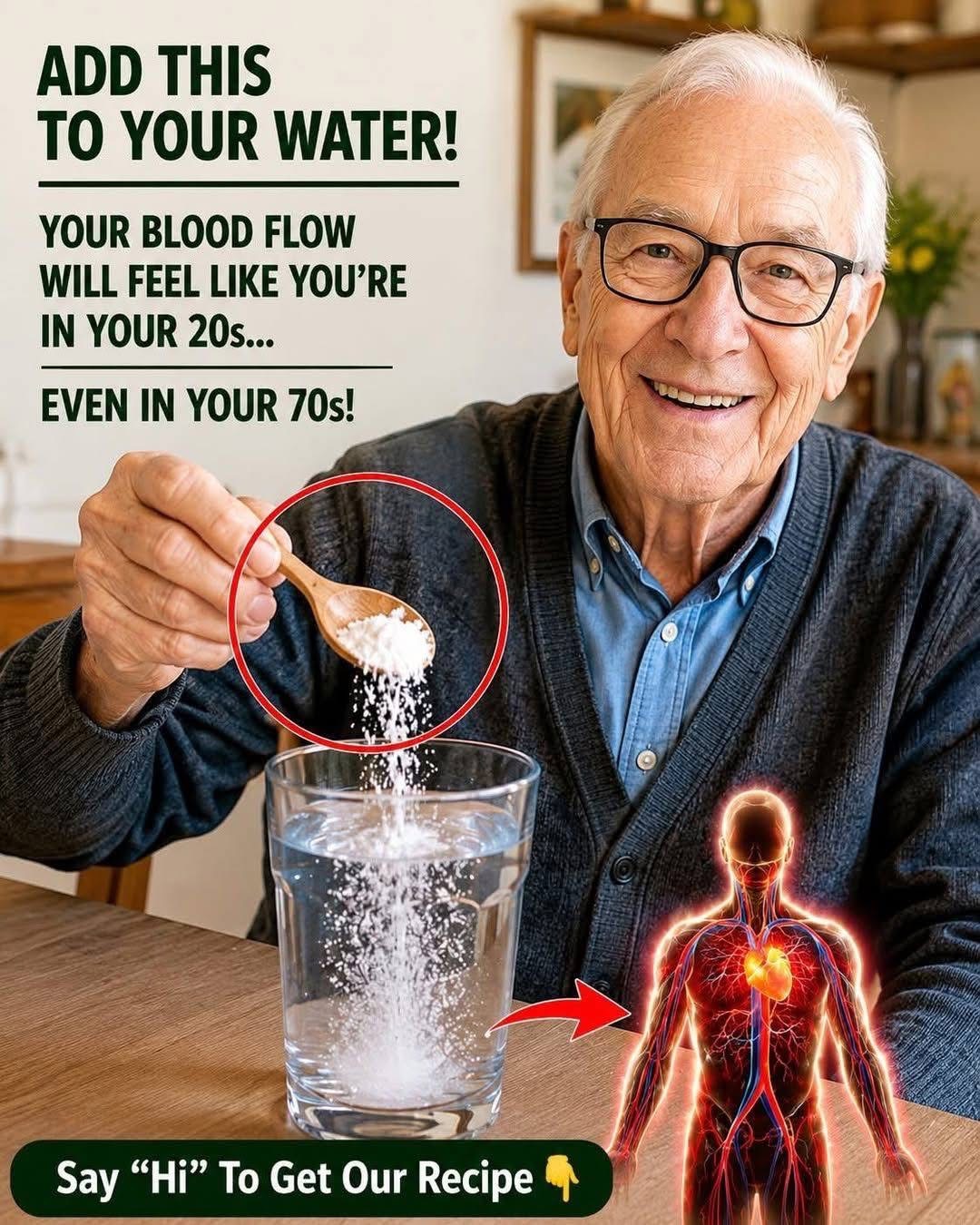
Images circulating online often show a spoonful of white powder being added to a glass of water with claims that it can make blood circulation feel “young again.” Although these claims can sound convincing, there is no simple powder that can instantly restore circulation or make the cardiovascular system function like it did decades ago.
The white powder shown in many versions of this type of post may be baking soda, also known as sodium bicarbonate. Baking soda is a common household ingredient, but it should not be treated as a general-purpose circulation supplement. Because it contains sodium, consuming excessive amounts may actually be inappropriate for many older adults, particularly those who need to limit sodium intake.
Healthy circulation depends on the heart, blood vessels, blood pressure, blood volume, and many other factors. Your cardiovascular system continuously moves oxygen and nutrients throughout the body while carrying waste products away from tissues.
Homemade drink kit
For this reason, drinking enough fluids can be helpful. When the body becomes dehydrated, blood volume can decrease, and dehydration may contribute to symptoms such as weakness, dizziness, headache, fatigue, or feeling unwell. Drinking water regularly throughout the day is therefore one of the simplest habits for supporting normal body function.
However, plain water is sufficient for most everyday hydration needs. There is generally no requirement for healthy people to add baking soda, salt, or another powder to every glass of water.
Minerals such as magnesium, potassium, calcium, and sodium are important electrolytes. They participate in muscle function, nerve signaling, fluid balance, and other physiological processes. But more is not necessarily better. The body carefully regulates electrolyte levels, and excessive supplementation can cause problems.
Sodium deserves particular attention. Too much dietary sodium can contribute to increased blood pressure in people who are sensitive to sodium. High blood pressure is one of the major risk factors for cardiovascular disease, stroke, kidney disease, and other serious health problems.
This is especially relevant for seniors who may already be taking medication for hypertension, heart disease, kidney problems, or fluid retention. Adding sodium-containing products to drinking water without medical advice may therefore be counterproductive.
Instead of looking for a single ingredient that supposedly “cleans the blood vessels,” a better approach is to support cardiovascular health through several consistent habits.
Regular physical activity is one of the most effective lifestyle strategies. Walking, swimming, cycling, gentle strength exercises, and other activities appropriate for your fitness level can help maintain cardiovascular fitness and mobility.
Even a daily walk can be a useful starting point. Someone who has been inactive for a long time can begin with short, comfortable walks and gradually increase the duration according to their abilities.
Diet also plays an important role. A heart-healthy eating pattern can include vegetables, fruits, beans, whole grains, nuts, seeds, fish, lean proteins, and healthy sources of unsaturated fats. Reducing excessive amounts of processed foods, added sugars, and highly salty foods can also be beneficial.
For people concerned about blood pressure, monitoring it regularly can provide much more useful information than relying on a homemade drink. A blood pressure monitor can help identify trends, while a healthcare professional can determine whether lifestyle changes or medication are appropriate.
Cholesterol is another important factor in cardiovascular health. High LDL cholesterol can contribute to the buildup of fatty deposits in arteries over time. People concerned about their heart health may benefit from discussing a cholesterol test, blood pressure evaluation, blood sugar testing, and other cardiovascular risk factors with their healthcare provider.
This is particularly important because circulation problems do not always produce obvious symptoms in the early stages.
Cold hands and feet, leg discomfort, swelling, numbness, or unusual changes in skin color can have many different causes. Some may be relatively harmless, while others can be associated with circulation problems, nerve disorders, diabetes, medication effects, or vascular disease.
Persistent symptoms should therefore not simply be treated with homemade electrolyte drinks.
There is also an important difference between dehydration and chronic circulation problems. Drinking water can help correct dehydration, but hydration alone cannot remove arterial plaque, reverse peripheral artery disease, eliminate blood clots, or cure cardiovascular disease.
Similarly, a mineral supplement cannot replace prescribed blood pressure medication, cholesterol treatment, anticoagulants, or other medical therapies when those treatments are medically necessary.
People sometimes assume that because something is natural or inexpensive, it must be safe. That isn’t always the case. Minerals and concentrated supplements can have powerful effects when consumed in inappropriate amounts.
Potassium is a good example. Potassium is an essential mineral, but excessive potassium intake can be dangerous for people with certain kidney conditions or those taking specific medications. Magnesium supplements can also cause side effects and may interact with certain medicines.
For this reason, seniors who take multiple medications should be particularly careful about adding supplements to their daily routine.
If you enjoy flavored water, there are safer ways to make hydration more appealing. You can add slices of lemon, lime, cucumber, orange, berries, or fresh mint to ordinary drinking water. These additions can provide flavor without turning a glass of water into a concentrated sodium or mineral drink.
Another practical habit is to keep water accessible throughout the day. Some older adults simply forget to drink enough, especially when they are busy or when thirst becomes less noticeable. Keeping a reusable bottle nearby can make regular hydration easier.
The amount of water an individual needs varies according to body size, diet, physical activity, climate, medications, and medical conditions. People with certain heart or kidney conditions may actually have specific fluid restrictions, so they should follow their healthcare professional’s recommendations rather than deliberately increasing fluid intake.
If your goal is better circulation, focus on the factors that have the strongest long-term impact: staying appropriately hydrated, maintaining a healthy weight, exercising regularly, eating a balanced diet, avoiding tobacco, sleeping adequately, and keeping blood pressure, cholesterol, and blood sugar under control.
Smoking is particularly damaging to cardiovascular health because tobacco exposure can injure blood vessels and substantially increase cardiovascular risk. Quitting smoking is therefore far more meaningful for circulation than adding a spoonful of any powder to water.
Pay attention to warning signs as well. Sudden weakness, difficulty speaking, facial drooping, sudden severe chest pain, severe shortness of breath, or sudden loss of vision requires urgent medical attention. Likewise, sudden swelling or pain in one leg should not be treated with a homemade circulation drink.
For everyday wellness, the simplest answer is often the best one: drink water regularly and maintain a balanced diet rather than assuming that every glass needs an additional ingredient.
Minerals are essential to life, but they work within carefully regulated systems. The objective should not be to consume as much of a mineral as possible, but to obtain an appropriate amount through food and, when necessary, professionally recommended supplements.
If a healthcare professional has identified a genuine electrolyte deficiency, they can recommend the appropriate mineral, dose, and method of supplementation. This is much safer than copying a social-media recipe with an unknown quantity of powder.
Aging does not mean that healthy circulation is impossible. Many cardiovascular risk factors can be improved through consistent lifestyle choices and appropriate medical care. Small daily habits such as walking, eating more vegetables, reducing excessive sodium, staying appropriately hydrated, and monitoring blood pressure can add up to meaningful long-term benefits.
So, while adding an unidentified white powder to water may look like a simple “secret” for perfect circulation, it is not a proven way to rejuvenate the cardiovascular system. For most people, plain water remains an excellent choice for hydration, while minerals should be consumed in appropriate amounts based on diet and individual health needs.
The real secret to supporting circulation is not a miracle ingredient. It is a combination of hydration, movement, nutritious food, healthy blood pressure, healthy cholesterol levels, avoidance of smoking, and regular medical care when needed. Those habits may not produce an overnight transformation, but they provide a much stronger foundation for healthy aging and cardiovascular wellness.